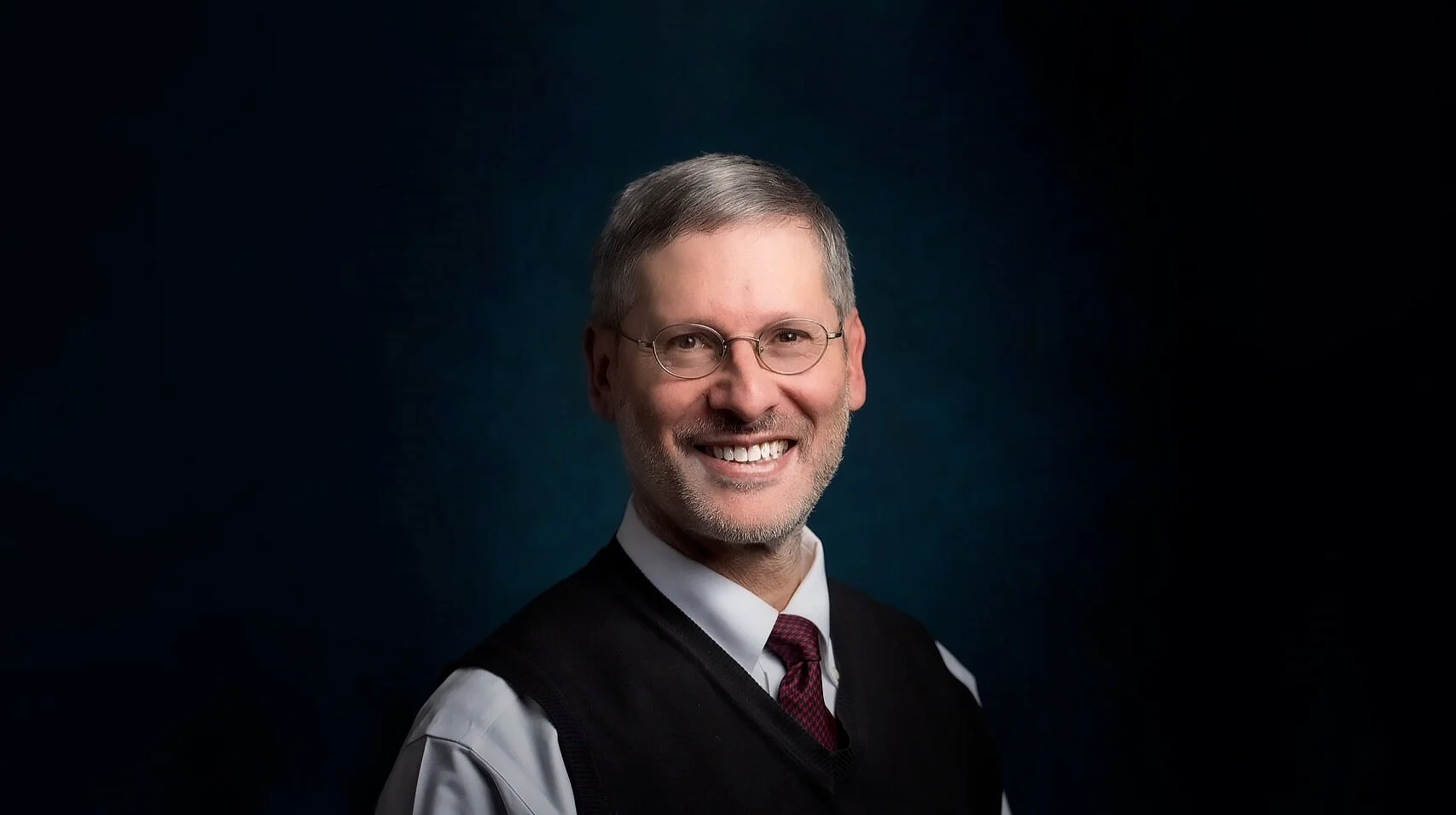
Professor Pollack's research interests include law, ethics, and liability; adoption, foster care, child abuse and neglect; wrongful death of children in foster care and in residential care; risk management; record keeping; licensing and accreditation; and international social work. Professor Pollack is an honorary fellow of the American Academy of Adoption Attorneys. He is also a Commissioner of Game Over: Commission to Protect Youth Athletes.
Serving plaintiffs and defendants, Professor Pollack has been an expert witness for lawyers in more than 30 states. He has also provided litigation support and been a consultant to many attorneys. Since 1980, Professor Pollack has held executive, management, and policy-making positions in social welfare agencies in Maryland and Ohio, including deputy executive director for Maryland's Social Services Administration and principal advisor for health and human services to Ohio's governor. His experience includes liability of agencies and workers in child protection and foster care, licensing of public and private facilities, record management, confidentiality, and ethics. Learn more ➔


Daniel Pollack has been retained by attorneys in more than 30 states.
If you’d like to discuss retaining Daniel in your state, please contact him here

“I had the enormous pleasure of working with Professor Pollack on a case involving child abuse/injury claims. Professor Pollack is knowledgeable, efficient, and easy to communicate with. It was readily apparent from the first meeting that he would be an excellent expert witness. The information provided by Professor Pollack was instrumental in obtaining a favorable disposition for my client. I have recommended Professor Pollack to others since, and continue to keep him in mind on cases where needed. I absolutely recommend Professor Pollack! ”
“
“I’ve had the distinct pleasure of working with Professor Pollack as a retained expert on several matters. His knowledge and insight into the often baffling legal issues stemming from the field social services/child protective services is simply brilliant. In addition to his tremendous knowledge of the field, Professor Pollack is a truly kind and compassionate professional in what can be sensitive circumstances. I give him my highest recommendation.”
“
“What a privilege it is to work with Daniel in the context of litigation. He is the most knowledgeable person I’ve encountered on the topic of social work and the protection of children within the foster care system. He’s also just an all-around nice guy and good human being.”
“
“Having hired and worked with Daniel Pollack as an expert witness, I can say without hesitation that Dan’s insight into the delivery of social services and foster care, and knowledge regarding the applicable standard of care and other related and emerging issues is impressive. His writing on these subjects is not only informative, but illustrates a superior understanding that renders Dan a guiding light.”
“
“For the past 4 years, I have enjoyed the distinct pleasure of working with Daniel Pollack on a complex foster care liability case. Dan’s extensive professional and academic background make him a uniquely qualified expert in the field of foster care case management. He is bright, thorough, and always a source of helpful insight. Beyond these skills, Dan’s greatest strength is his absolute integrity in providing a well-reasoned, independent case analysis. I highly recommend Daniel Pollack as an expert witness.”
“
“Daniel Pollack consulted with me on a difficult case involving the standard of care for foster homes and foster home licensing. Daniel’s analysis and insight assisted greatly in resolving a difficult circumstance for the benefit of a deserving client. Daniel trained his considerable intellect and discipline on a complex set of facts and voluminous documents to help us make present our case in the most cogent manner possible. I wholeheartedly recommend Daniel.”
“
“I was a student of Dr. Daniel Pollack at Yeshiva University’s Wurzweiler School of Social Work. He was an excellent Professor. His lectures were well organized, informative and thought provoking. His assignments were designed to enhance one’s critical thinking skills as well as to prepare you for the professional responsibilities that lied ahead. I had three classes with him, and I learned a lot.”
